Easter Octave: The Joy of the Resurrection
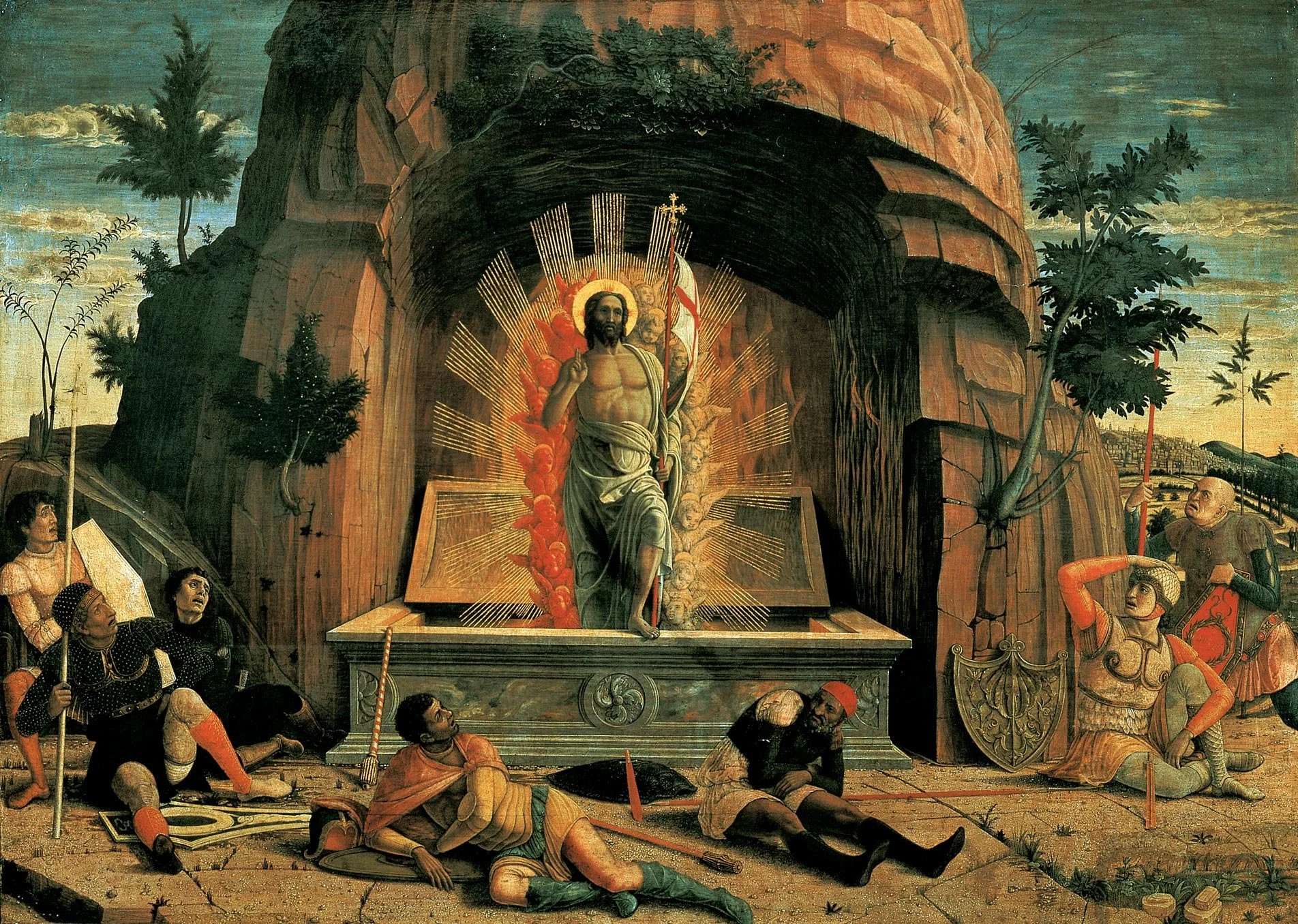
Painting: The Resurrection, Andrea Mantegna (1431–1506)
The Easter Octave is a period within the Church's liturgical year that spans from Easter Sunday until the following Sunday. It is an invitation for Catholics to delve into the mystery of the resurrection of Christ. It is easy to conflate or see the octave as just an extension of Easter Sunday, but it must be recognised as a sacred time in which the faithful are invited by the Church to live the joy that the resurrection has brought into the faithful’s life, by deepening one's prayers and worship through the resurrection.
The octave is an eight-day period, with each day being celebrated as a feast day reflecting the joy of the resurrection and recognising the significance of that resurrection for the salvation of humanity. Within these eight days, the faithful are called to recognise how the resurrection is the cornerstone of the faith, reminding the faithful of the words of St. Paul in 1 Corinthians 15:17, “If Christ has not been raised, your faith is futile, you are still in your sins.”
With Christ’s resurrection, He has declared victory over sin and conquered death, signifying the resurrection as the heart of the Gospel and salvation history. Furthermore, through the resurrection begins a new creation, where death no longer holds sway, where God’s plan has finally been fulfilled in Christ. The creation narrative speaks of God creating the world in six days and then on the seventh day He rested, so in celebrating the octave for eight days the Church symbolises the new creation of which Christ instates. Finally, in these eight days the faithful are called to reflect deeply on the Eucharist, the sacrament of the resurrection, made present in the Eucharist, and in participating in the Eucharist, the faithful are participating in the mystery of Christ’s life, death and resurrection.
Throughout this eight-day period the faithful are able to reflect upon and renew their commitment to God. There are several ways to go about this.
First is to attend daily Mass, each day of the Octave has its own Mass, allowing the faithful to immerse into the mystery of Christ’s resurrection.
In addition, participating in Eucharistic adoration allows the faithful to contemplate the mystery of the resurrection and offer up prayers in thanksgiving.
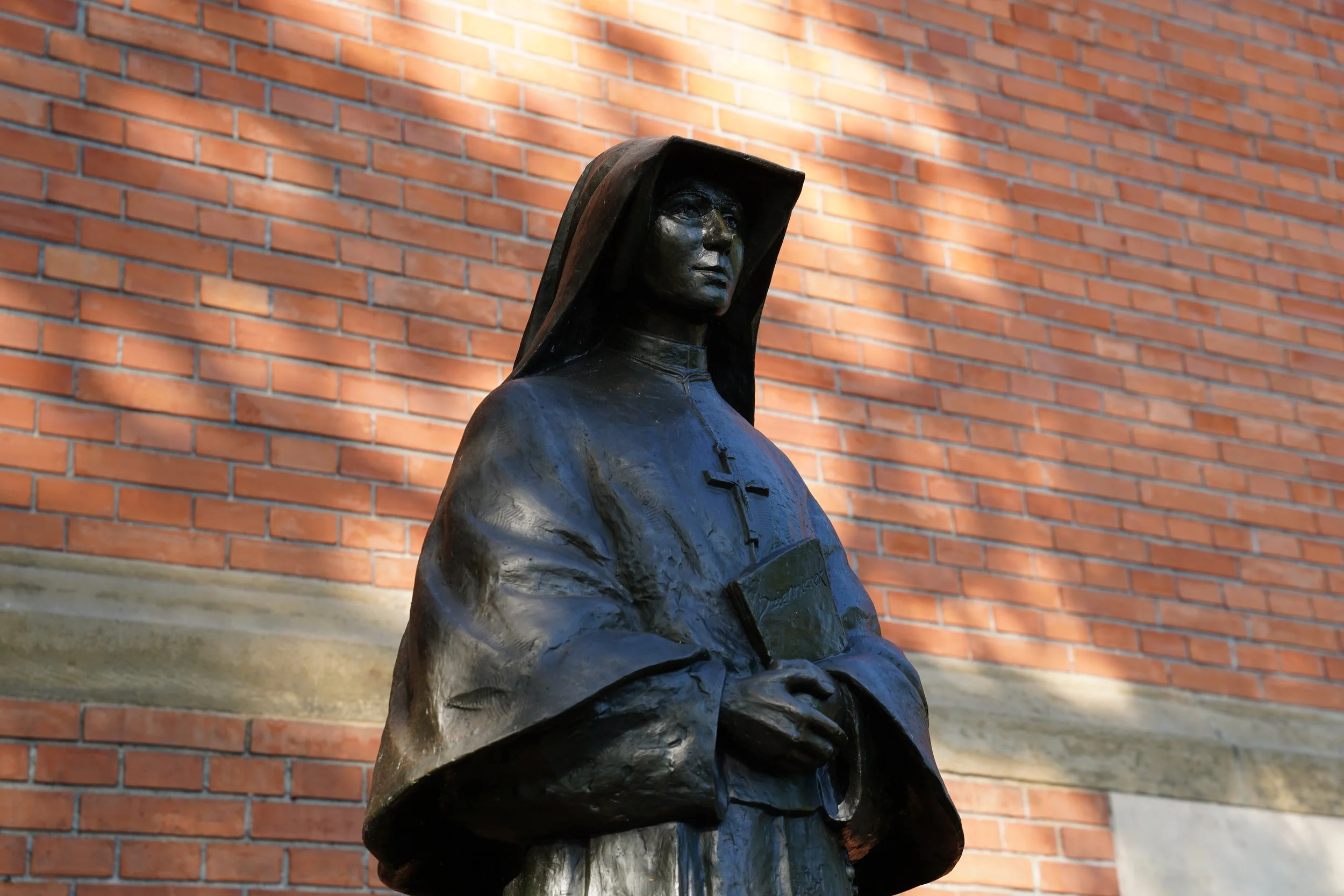
Photo: St. Faustina statue at taken at the Divine Mercy Shrine, Poland (TTA)
Second, it is a great opportunity to start the Divine Mercy Chaplet, a feast that was instituted by St. John Paul II in 2000.
This feast is remembered in celebration of God’s mercy that is poured out through the resurrection. By praying the Divine Mercy Chaplet, the faithful are called to focus on God’s mercy and forgiveness. It is a response to God’s extending mercy to the whole world, and the faithful are invited to extend that forgiveness to others.
Third, as baptised Christians, we are raised to a new life in Christ, which brings with it Hope, Joy, and Peace. During the Octave, we are to make a conscious effort to embrace the love and mercy of God and break away from bad habits, and being able to reassess our lives to live a renewed life in Christ.
Finally, the faithful can themselves extend mercy to others by performing acts of spiritual and corporal works of mercy to others.
This could mean visiting the sick, helping those less fortunate, or reaching out to those who are in need of forgiveness.
Let us look to the Easter Octave as a gift, a sacred time in which we can reflect on the joy of the resurrection and recommit ourselves to the Lord. This is not merely a historical event that we are remembering but rather a living reality that brings with it Hope, Joy, and Peace. This Octave let us not only celebrate the eight days but allow ourselves to bring the joy and mercy we have received to the world every day.