

Faith & Culture Musings
“To contemplate the face of Christ in the changing, diversified situations of the modern world we must look at the Saints who are “the living reflection of the face of Christ”
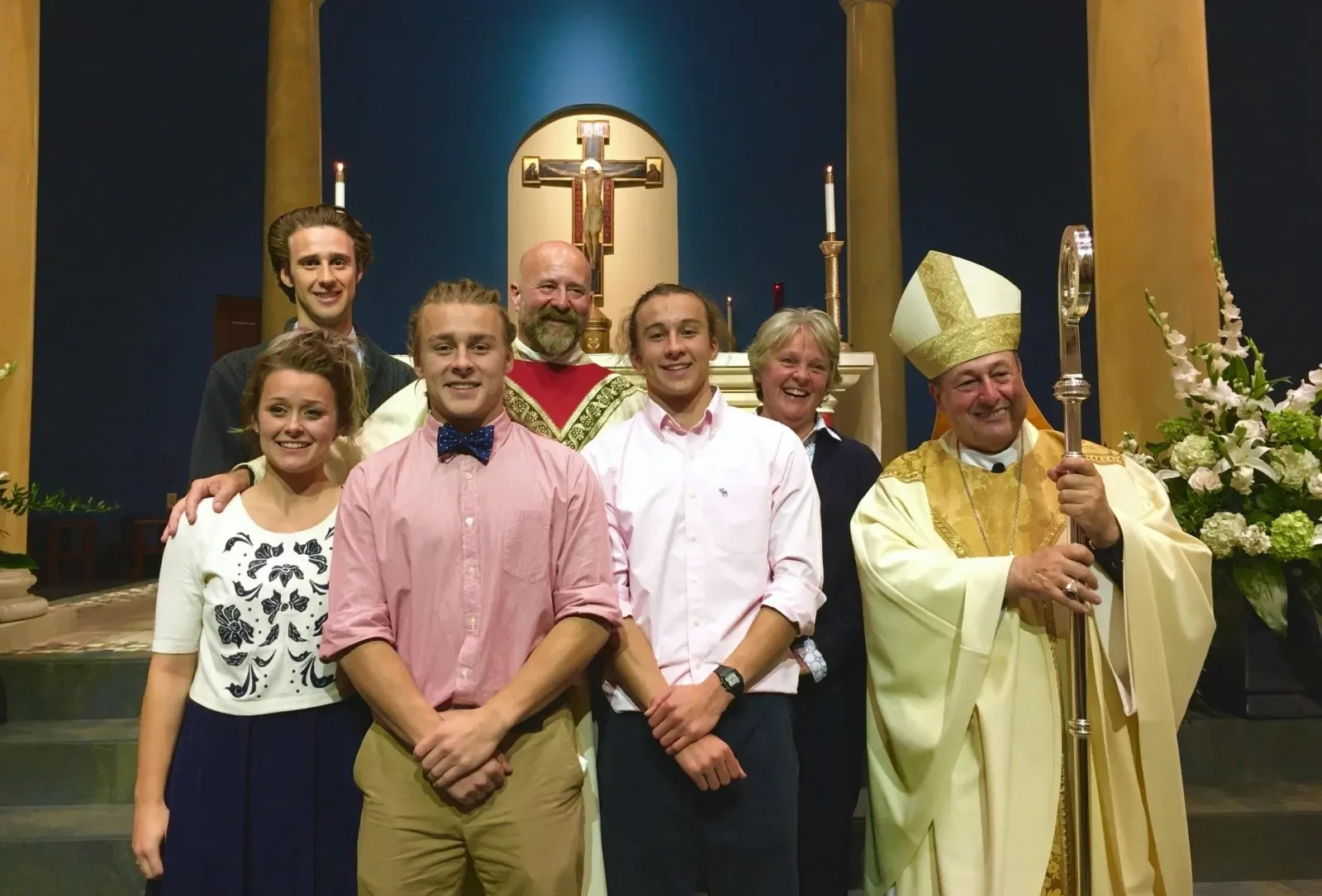
What a Married Priest Taught Me About Love
Yes, you heard me correctly. Meeting capable married priests has been a blessing.
No Ambition Except To Do Good
Does being good entail simply being nice and respectable to stay out of harm’s way?
If you are all-powerful, would you desire to be lowly?
Becoming Christ is to inhabit his attitudes.
For Jesus, the Beatitudes are never “survival skills.” If he wanted to “survive” in a cruel world, summoning legions of angels would be good enough.
“Is It Right To Let People Be Wrong?”
Is salvation about perfect answers or a faithful search for truth? Catholic faith is presented not as a flawless phone number, but as a jigsaw puzzle God patiently assembles through partial truths, mistakes, and humble seeking.

Unlikely place, Unlikely people, Unforgettable compassion
Once dignity is restored, vocation becomes possible. Sometimes insight comes in moments of intense prayer set aside to discern God’s voice. But Jesus does not reserve His grace only for those moments. Ordinary work itself can become a place of deep vocational clarity.
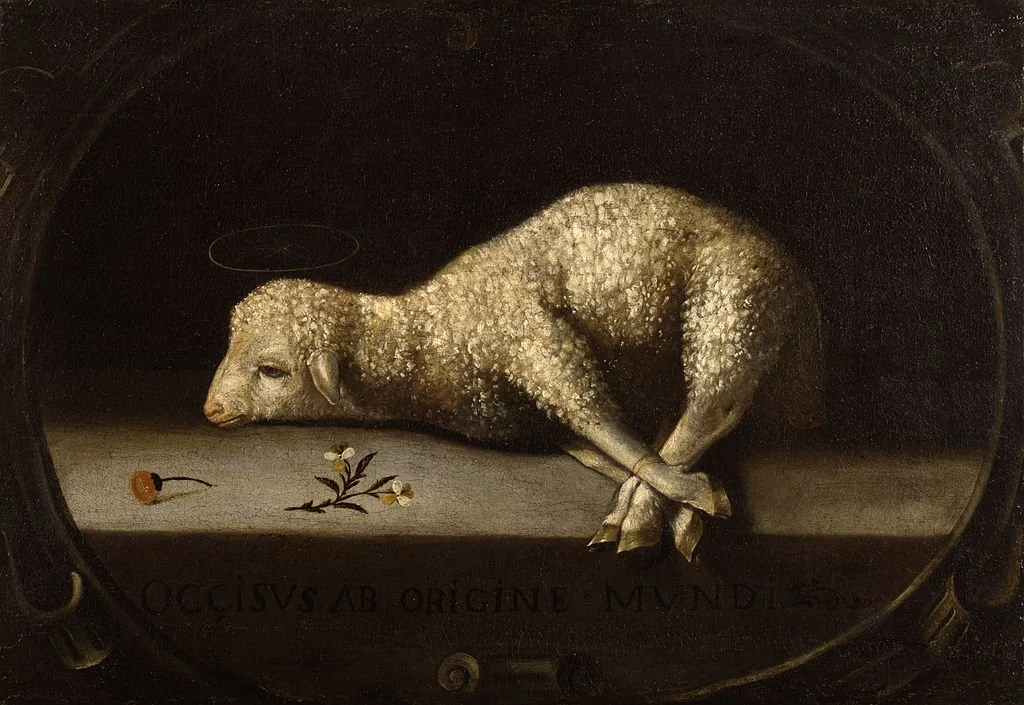
Behold the Lamb of God, who takes away the sins of the world
It is a phrase thoroughly familiar to Catholics.
We hear it at Mass just before Holy Communion.
And like clockwork, prepare to receive Holy Communion.
For the 2nd Sunday of the year, the Church says “pause, and ponder. For you may not know the full weight of what you are saying.”
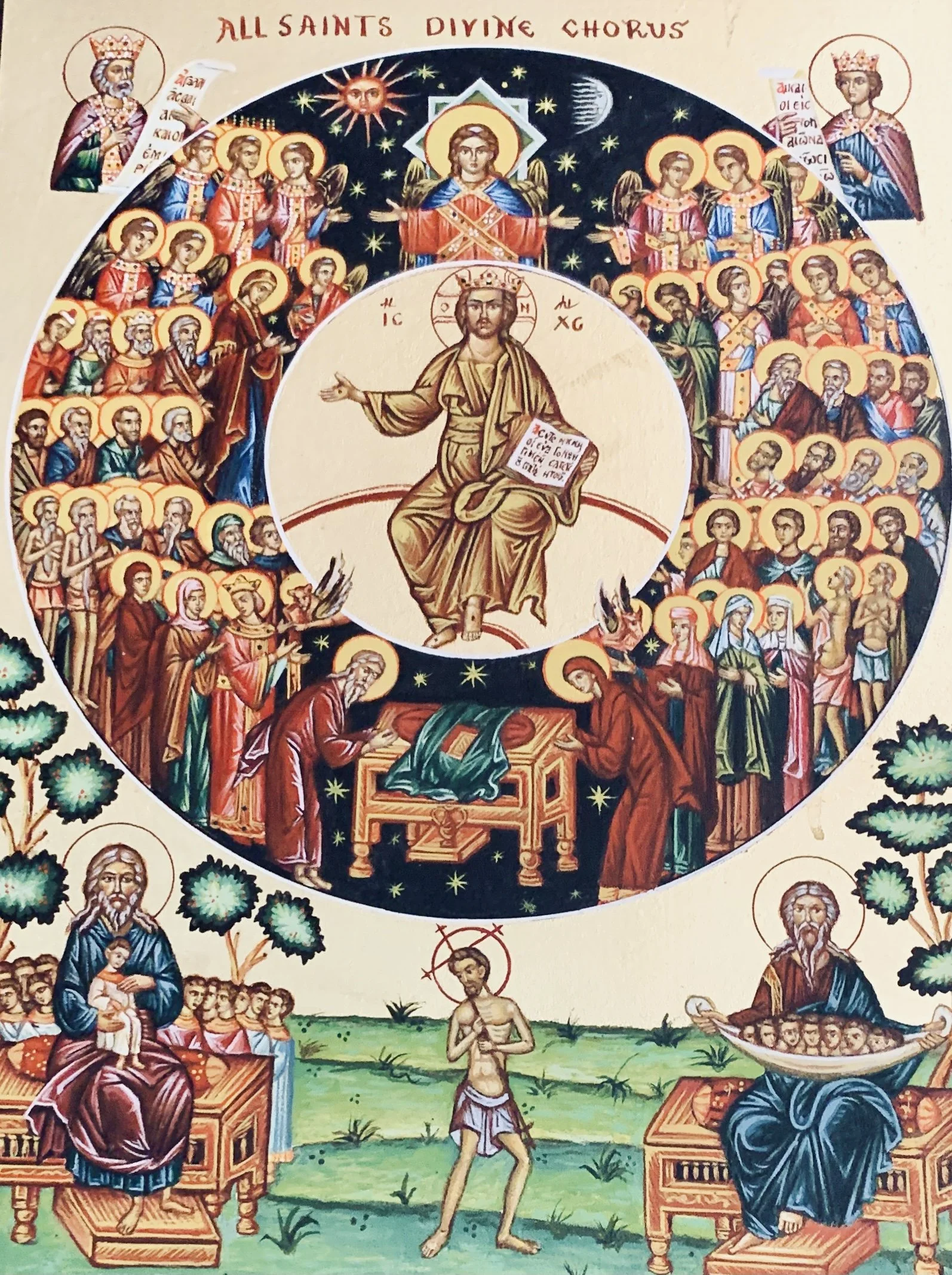
Why We Must Become Saints
It can be said that the saints do not simply inspire virtue but rather excite it. The saints are the flint that God uses to strike sparks into the tinder that is the Church militant, with the resulting blaze being the souls that are inflamed by the fire of the Holy Spirit.
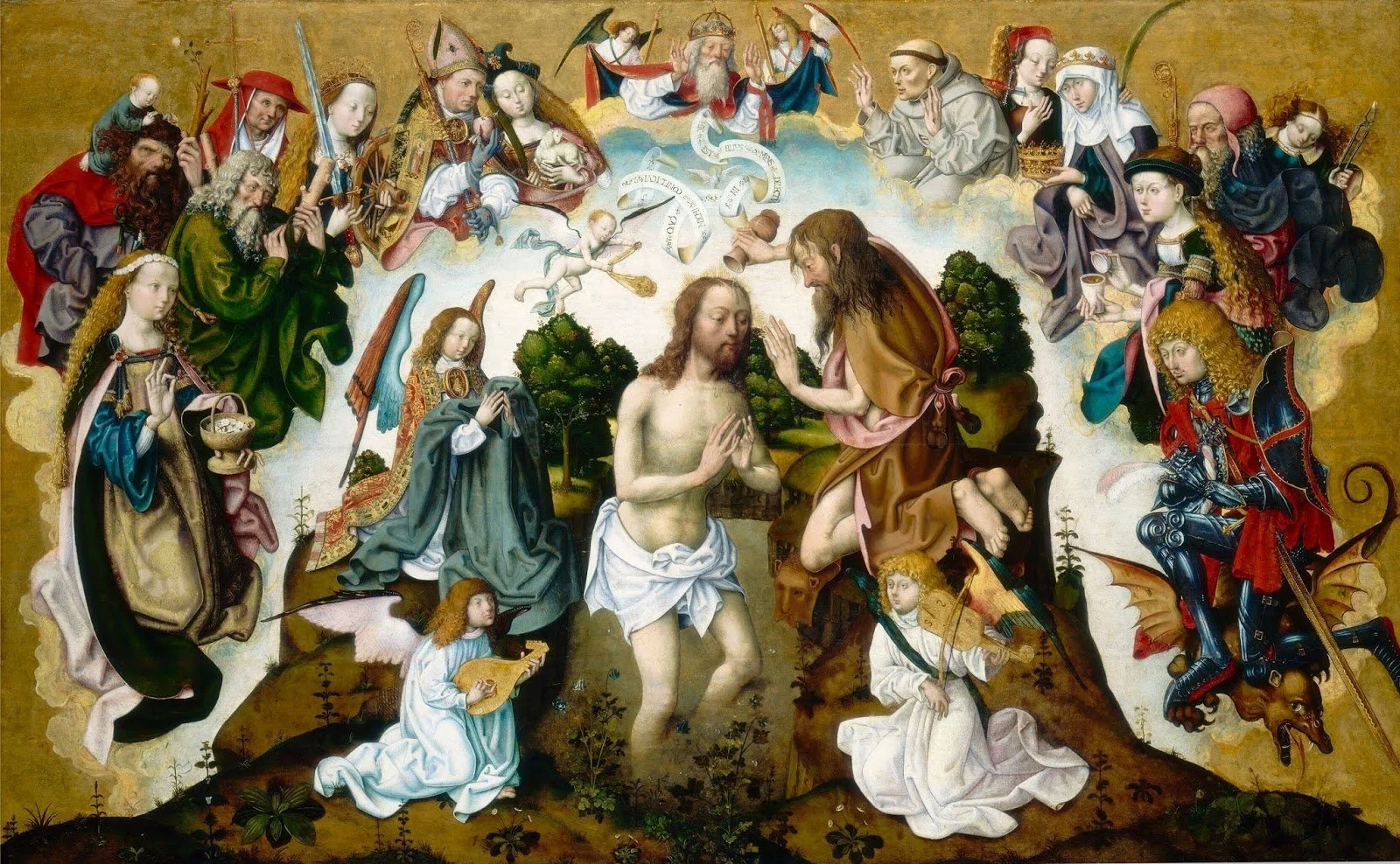
Sinner, Servant and Son
The Baptism of the Lord concludes the season of Christmastide and begins the season of Ordinary Time, for the Church’s liturgical calendar. As we move into a new season, the knowledge that we are simultaneously sinners, servants, and sons are the three foundation stones on which the Christian life is built as the year progresses.
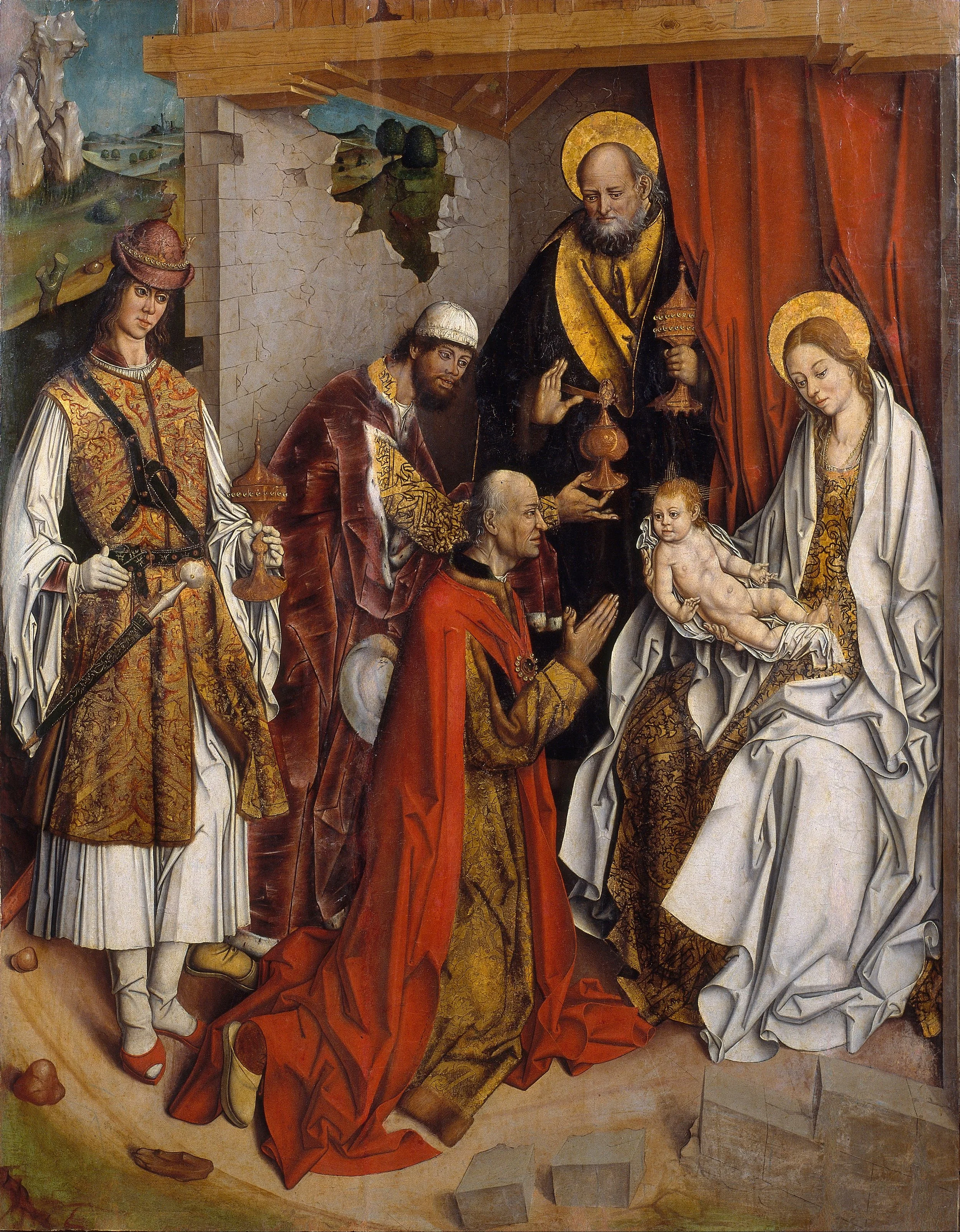
When a pre-believer comes to Church, will he find Faith?
Why does the story of Epiphany have such a contemporary ring? What lessons can we draw as Christians? Reflection for the Solemnity of the Epiphany of the Lord Year A.
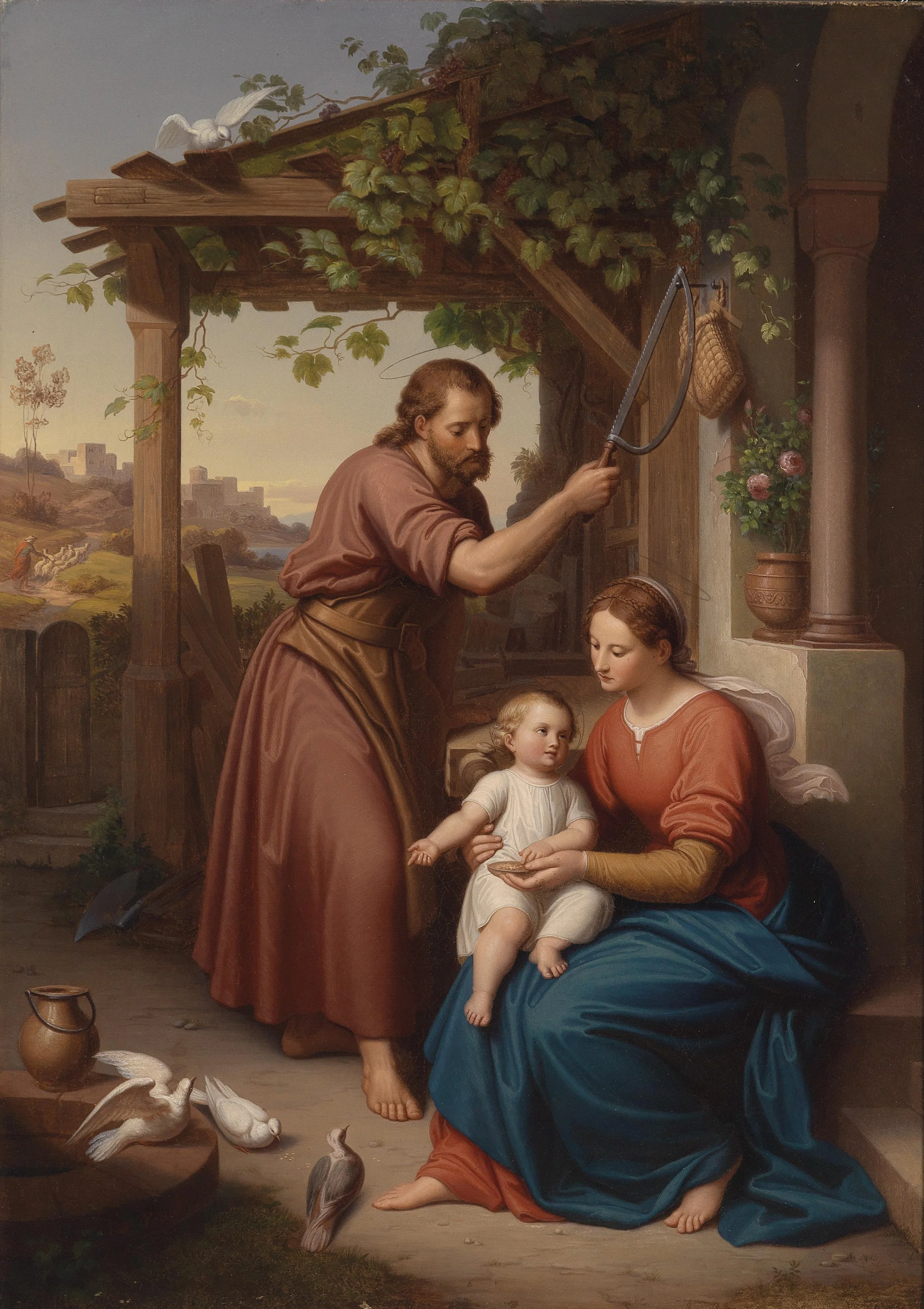
Dads for Life. Challenge and Consolation from the Feast of the Holy Family
What does it mean to be a father for life? This reflection explores how Scripture both challenges and consoles fathers - acknowledging their flaws while calling them to a vocation that shapes hearts for generations.
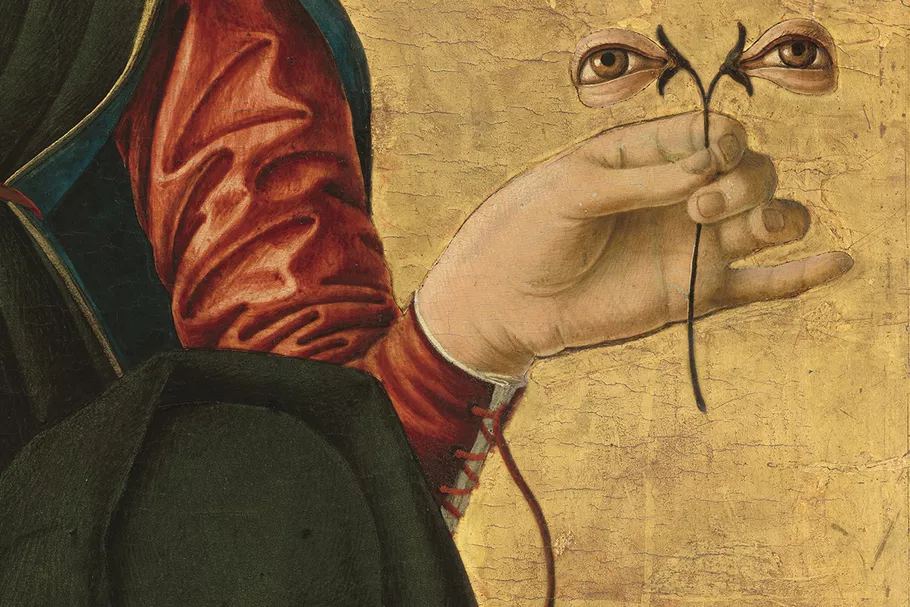
I Saw the Sign that Opened up My Eyes
For the 4th Sunday of Advent, the liturgical calendar pivots and invites Catholics to ponder and prepare to receive the mystery of the first coming of Jesus at Christmas.
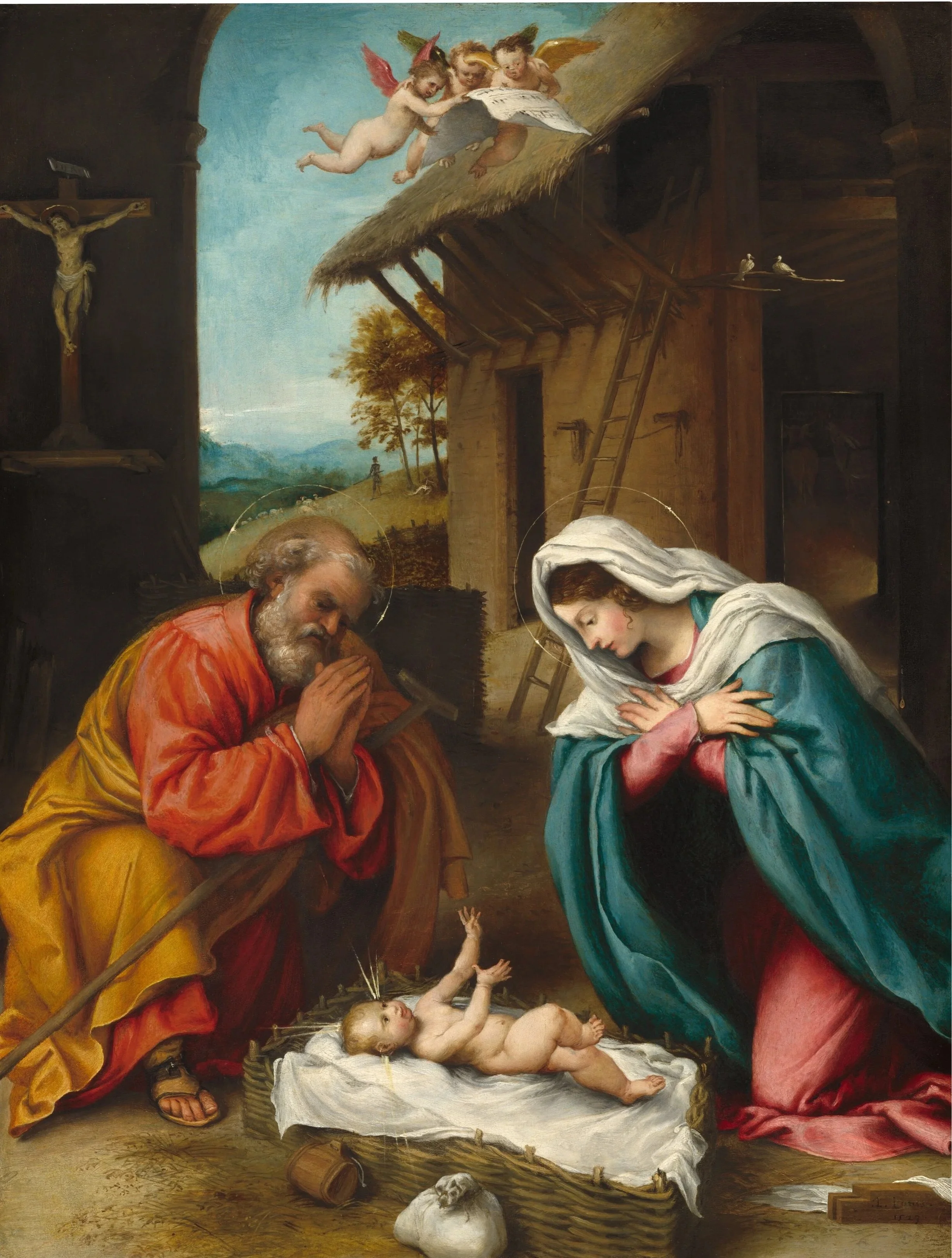
Advent: Learning While We Wait
Our impatience with God often shows our lack of seeing our current purpose He has given, and/or expecting God to work transactionally with prayer.
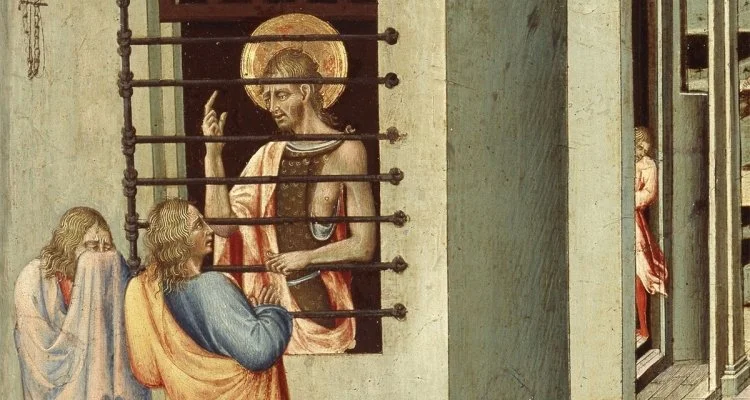
Already But Not Yet.
Reflection for the 3rd Sunday of Advent Year A: “Are you the one who is to come, or have we got to wait for someone else?” – Matthew 11:3
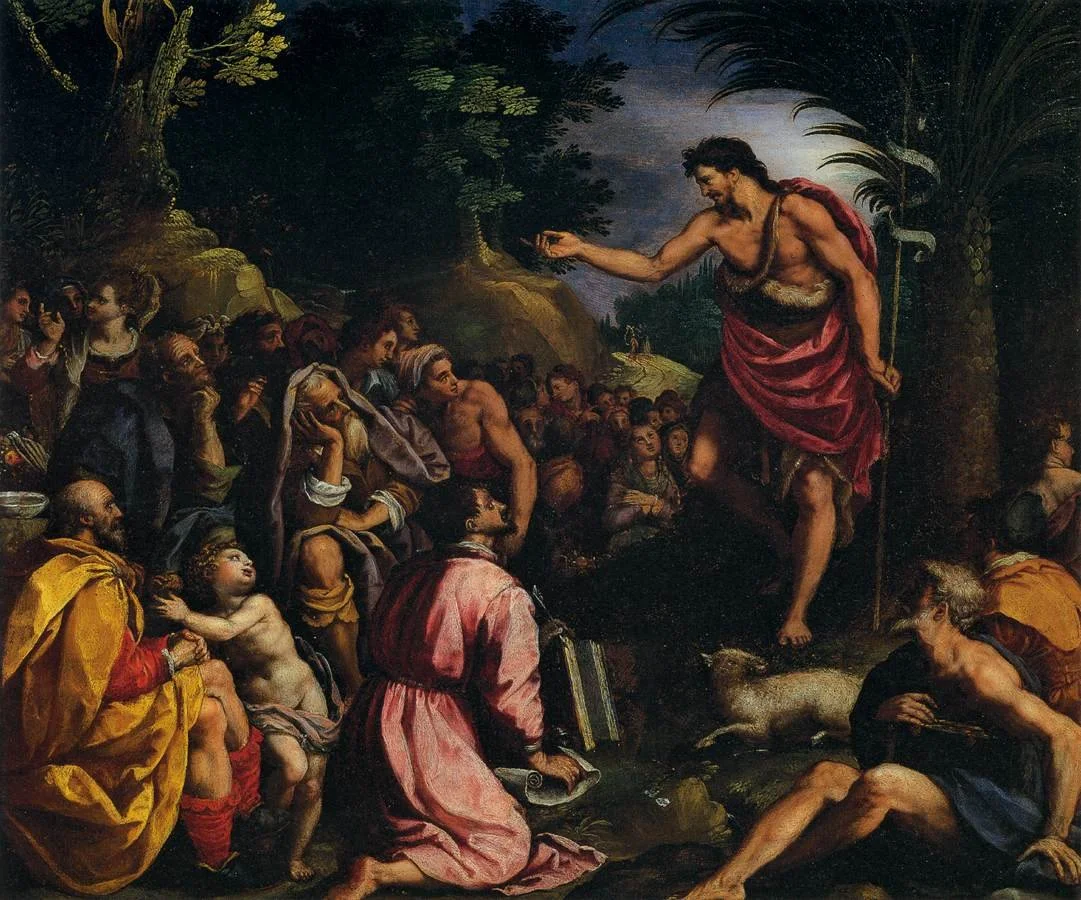
John the Baptist: The Man Who Would Not Keep His Mouth Shut
Attracting ‘attention’ for prophecy’s sake & preparing their hearts for the Messiah. “Repent for the kingdom of heaven is close at hand” (Matthew 3:2). Reflection for the 2nd Sunday of Advent Year A.
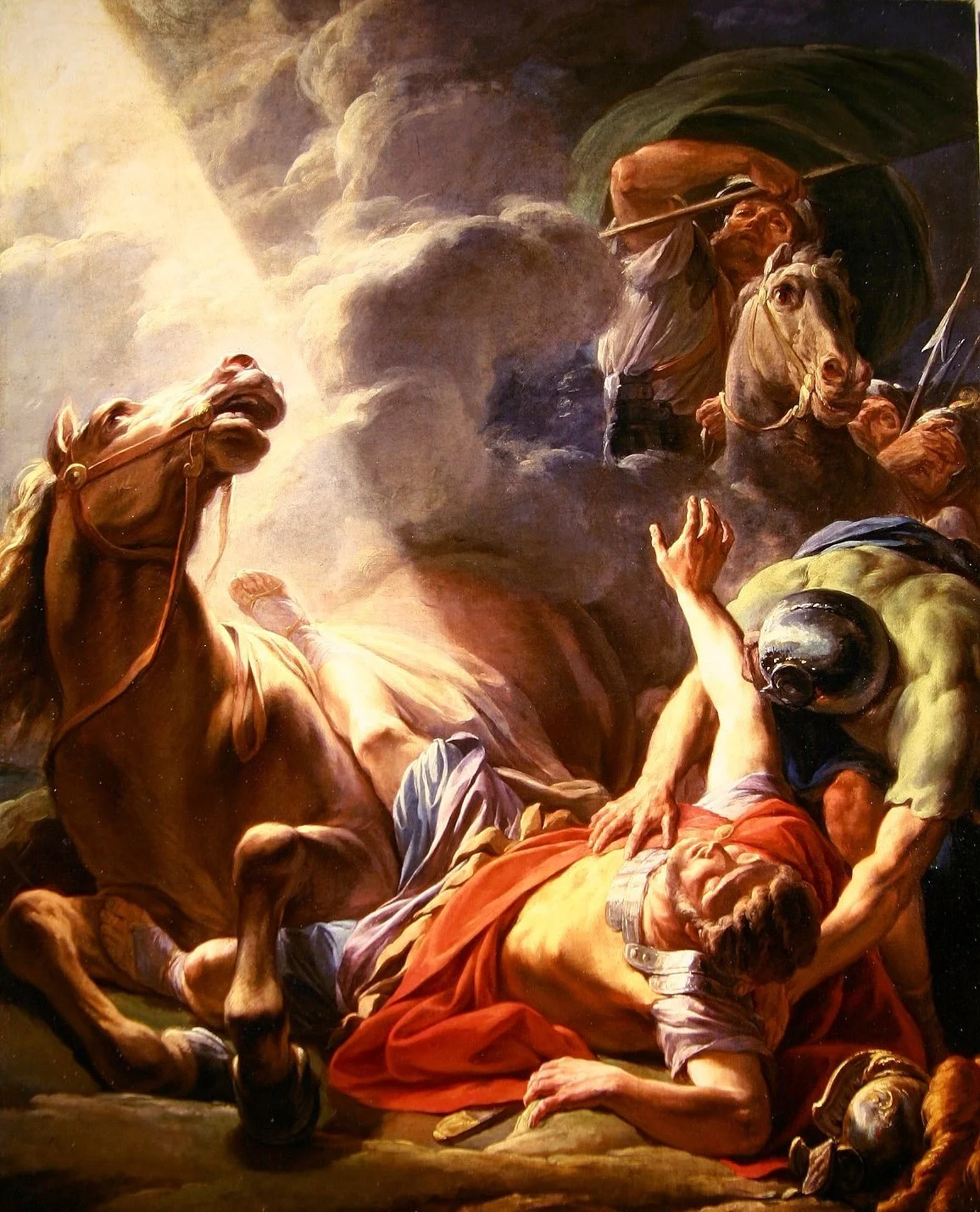

“Something Wicked This Way Comes!”
Come Halloween, big and small children in the civilised West will be prowling excitedly around their neighbourhoods trick-or-treating. What many people do not remember though, is that Halloween has very Catholic roots.

A Tale of Two Confessors: Dealing with Habitual Moral Failure
Ultimate victory which God wills may well be through the experience of failure which he permits. If failure, as the saying goes, is simply postponed success, then perhaps habitual moral failure is simply the postponement of the crown of life (Rev 2:10) that will be bestowed on us in the end if we recognise that “my grace is sufficient for thee. My power is made perfect in weakness.” (2 Cor 12:9)
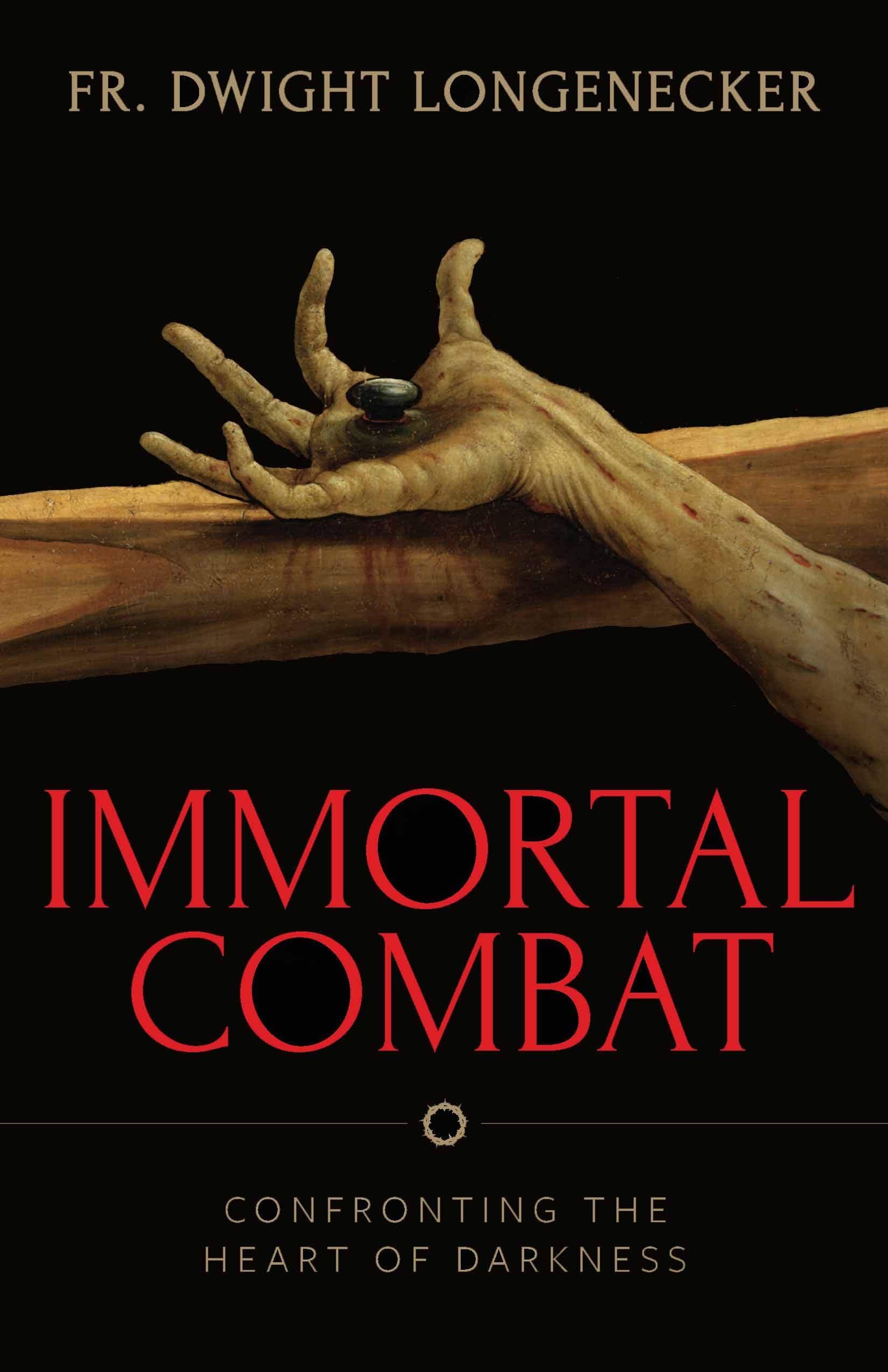
Book Review – Reflections on Immortal Kombat: Konfronting the Heart of Darkness
During one particular Lenten period, I made time for spiritual reading. And the book that had me so enthralled, keeping me on the edge of my seat, was this book.
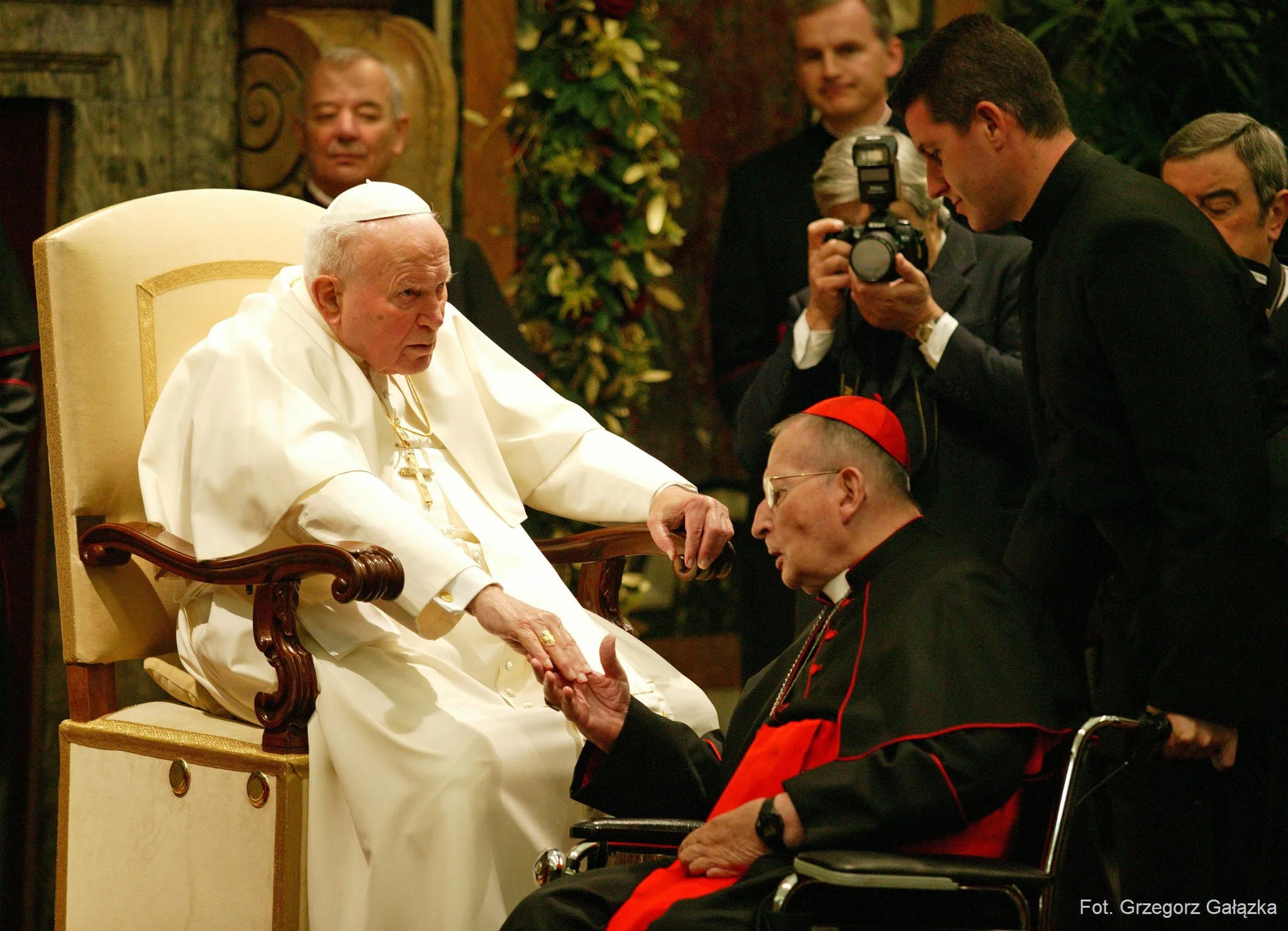
In Memory of the late Cardinal Andrzej Maria Deskur
In the words of Pope St. John Paul II: “It was then that Divine Providence touched Bishop Andrzej Deskur with the severe disability that he still carries with him today. Among all the cardinals created today, he was the only one in a wheelchair. He brings to this College a special mark, the mark of suffering. The mark of suffering that is a sacrifice. We do not know God's ways, we do not know God's mysteries, but I personally find it difficult to resist the conviction that this sacrifice of Archbishop Andrzej, now Cardinal Andrzej, was connected with the conclave that took place in mid-October 1978."
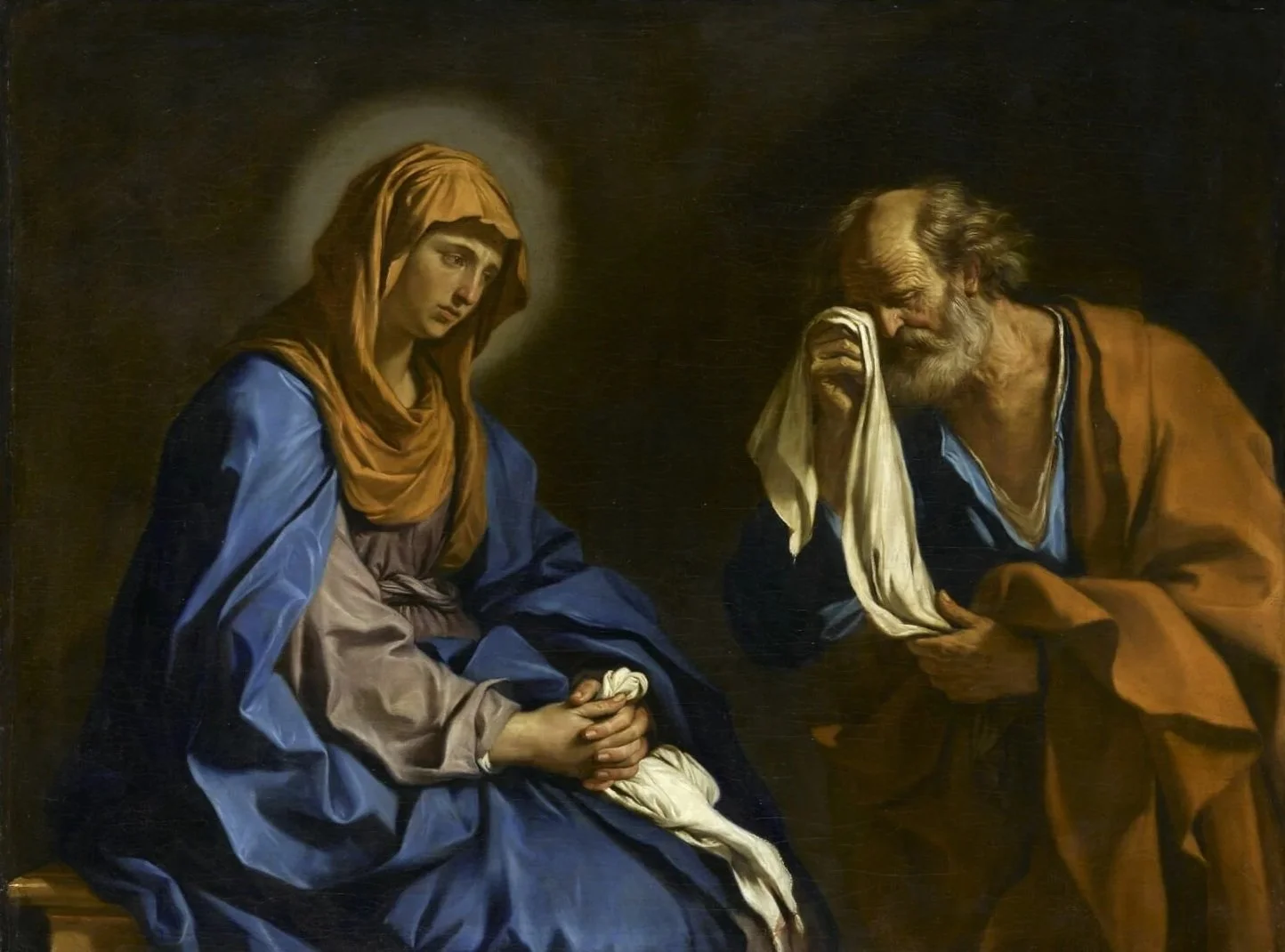
Failure is Destiny: Why we need a Theology of Failure. (Part 1 of 3)
Theologians have developed all kinds of theology. A Theology of the Body. Because all human beings need to know what it means to be a man or woman. A Theology of Suffering. Because everybody suffers and would appreciate wisdom in that regard. How about a Theology of Failure?