
Advent: Learning While We Wait
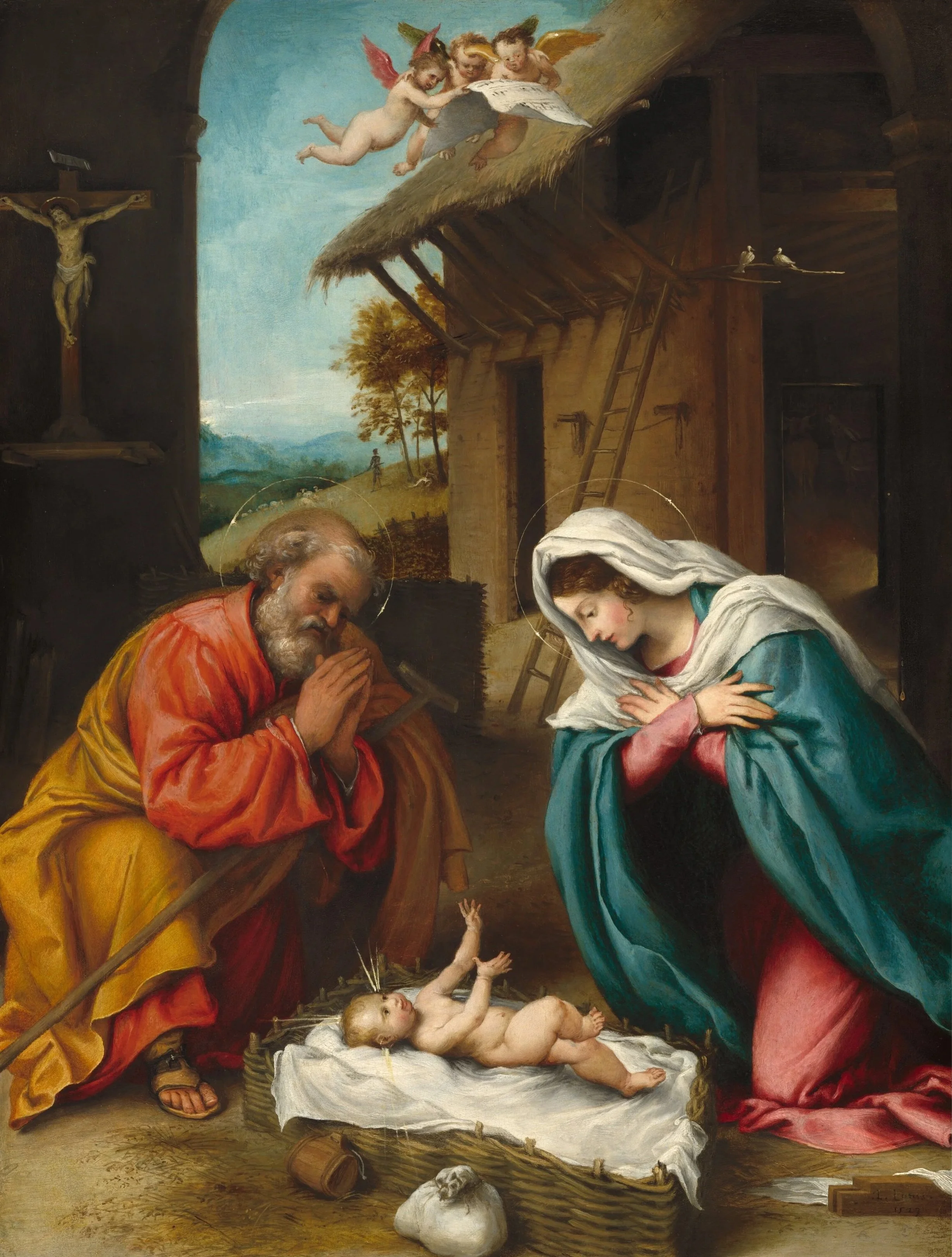
Painting: The Nativity, 1523, Lorenzo Lotto
It’s a truly interesting thing, watching life play out - our own life and the lives around us.
It’s remarkable to see how God fulfils desires and dreams of our heart, most normally not how we planned, but also to confirm our original ideas were not completely crazy either – oftentimes we see events, opportunities and scenarios happen that we were deeply expecting, but not in the timeframe we had hoped and ‘tweaked’ a little to be not how we expected.
And in the waiting, each time there is so much agitation, worry and anxiety – as if we never learn.
We often wait begrudgingly, knowing it is in God’s time, not our time, but with little joy in our hearts. Or maybe we render the idea futile, give up, releasing our dream entirely, and THEN it happens.
And this leads to the questions… Why does it never happen at the time we want?
And even though we love God, do we trust God with all things and His timing?
We could simply answer because we are impatient, and ‘patience is a virtue’ but there are plenty more lessons to learn from this waiting than a singular virtue, and the more we understand this, the more we will cherish the wait.
One very wise reason would be because God is not holding from us, but waiting for us to mature and mellow into our desire. As we all know, just because we have a desire doesn’t mean we are ready, and that could be for a myriad of reasons, from getting a promotion at work, marriage, winning a competition, or getting a pay rise. The more we mellow and mature, the better we will be responsible with the gift given to us.
Consider a Great Musician or a Sportsman.
No one likes a snobby winner in sports – people love a gracious, humble winner. And for that winner to be gracious and ‘down-to-earth’ has required years of humility and willingness to learn, rejections, failure, hard work, and criticism. That winner sees that win as the result of a very long path and much waiting. That person grew into their international title. And rather than giving up halfway on their journey, they waited well, filling their time with purpose, improvement and greater challenge.
This leads to the concept of not making our desire and the destination of that desire our idol. The more we relinquish and the more we give our will up to the will of the Father, the more we have the opportunity to worship God on the journey and not His creation. If what we love so much is given to us at the wrong time, our destination will be the idol rather than being humble to see it from the perspective of the Maker. As good Christians, we often ‘pray not my will, but Yours be done’, and in so doing, God wills that we don’t idolise the very thing He created. He wishes us to worship rightly and properly for the sake of ourselves and the sake of all those involved. A person worshipping the creation rather than the creator is not a good builder of society – he or she is not good for the common fellow man, they often don’t have others’ best interests at heart, but all focus goes on attaining and maintaining their desire.
In a simple way He wants us to settle and almost move on from our deep desire so that when it happens we have grown to fit it well – it becomes a part of ourselves and that we are as big as the desire, rather than something so novel and beyond our wildest dreams, that we don’t see the need for God in the process.
A second concept of waiting is that it teaches us about our relationship with God. Do we love God for His benefits, or do we love Him for who He is? Is our relationship with Him a friendship of utility or of goodness and trust?
In the wait, we learn about ourselves, and where does God fit into our lives on a relational level.
Our impatience with God often shows our lack of seeing our current purpose He has given, and/or expecting God to work transactionally with prayer.
Is God keeping Himself quiet on the answers, consolation or gifts, so we seek Him in a different and better way?
Does He want me to settle into myself more, trust Him more, be more present, or stop worrying about myself and give more to others?
Who are you in relation to God and where is God in relation to you?
Advent is a Time of Waiting.
And in this time, we give ourselves the opportunity to mature spiritually for the good of ourselves and the preparation to receive the Christ Child, in good stead.
It feels in the waiting we may be empty, abandoned or alone. But we, in our humanness, must prevent this from translating into worry, fear, impatience or a sense of rejection. In the waiting, we need to find love for others, peace, quiet trust and resignation.
Consider Joseph fleeing to Egypt
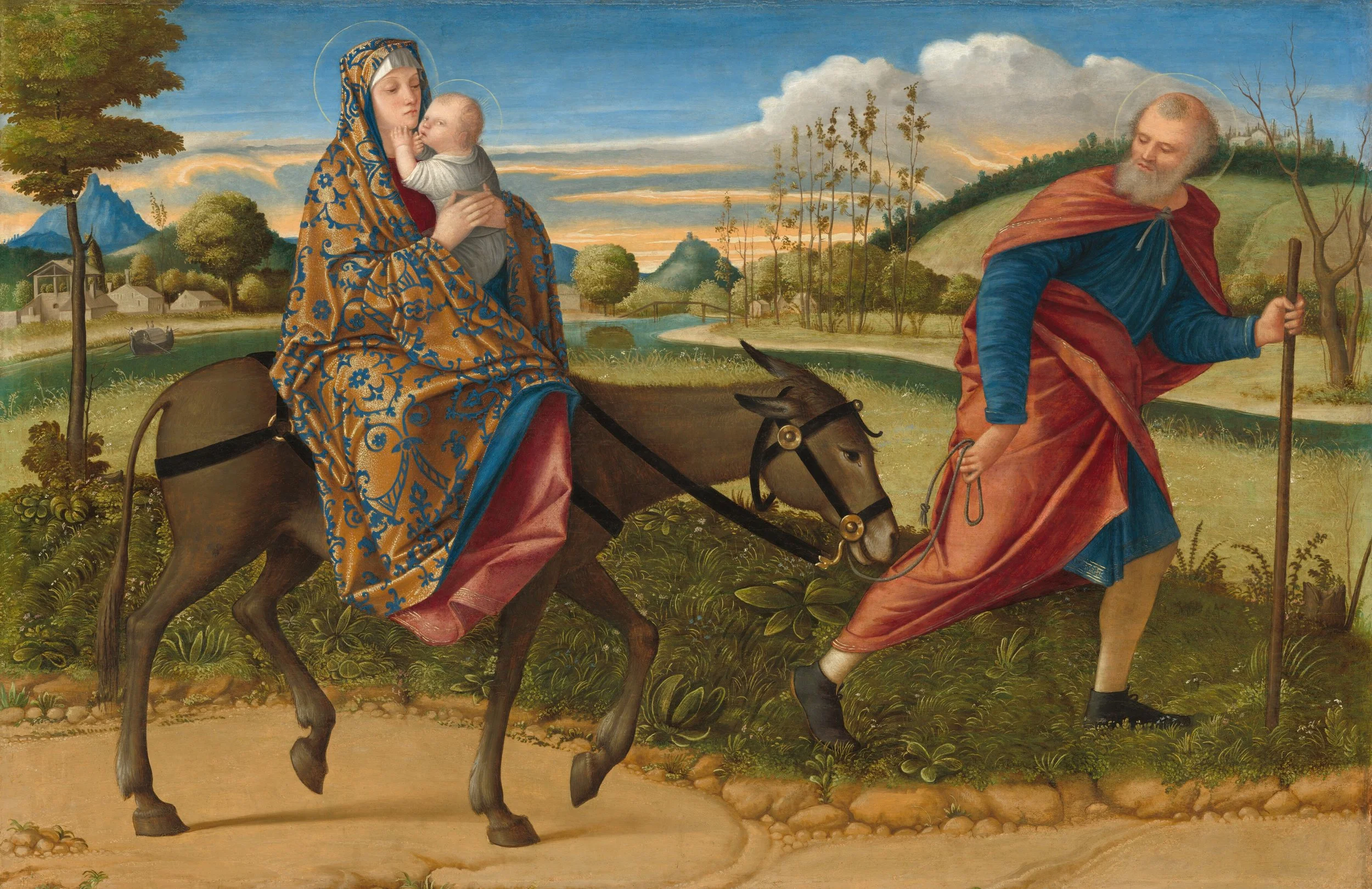
Painting: The Flight into Egypt, c. 1515, Vittore Carpaccio
Did he and Mary know what was there? Had they ever been to Egypt before? It was completely unknown, and to spend many years in Egypt, to be foreigners in a foreign land would be beyond difficult. He didn’t know when to return. It was through an angel that is was revealed, therefore he had no timeline either. In his humanness, like us, St Joseph would have had moments if not entire spells of desolation, frustration, confusion, being away from His home, and maybe great times of abandonment, not knowing when was the right time to uproot his family once again. But he waited. And he waited well, caring for his wife and raising a son.
The Blessed Virgin Mary
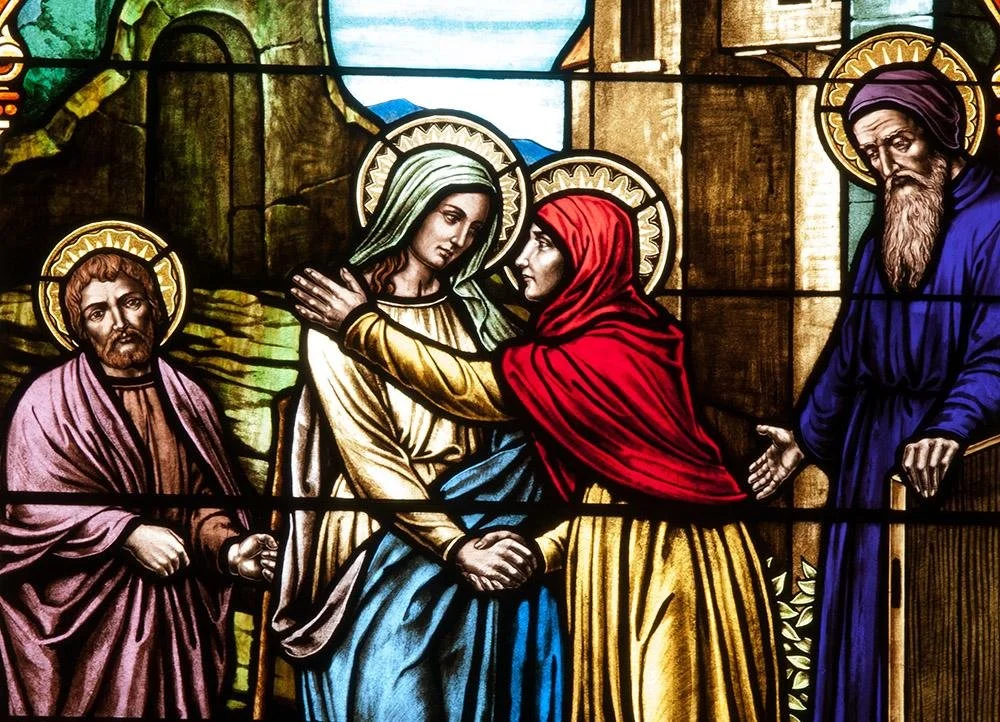
Our Lady, during her pregnancy, waited well by visiting her cousin Elizabeth, caring for another and making good use of the time, knowing that great good can be done between now and the Messiah’s birth. She didn’t idolise her own pregnancy but placed her focus on another’s. Her wait was in joy and service.
So this Advent, and well beyond Christmas, let us consider how we are waiting? Are we waiting for God, or with God?
Are we cleaning away what is of no good to ourselves, finishing projects currently at hand, improving ourselves in the here and now, so we are ready to receive the new?
How do we challenge ourselves in this Advent to feel a sense of triumph come Christmas?
And when we meet the Christ Child on Christmas Day, how will you gauge that you had waited well?
